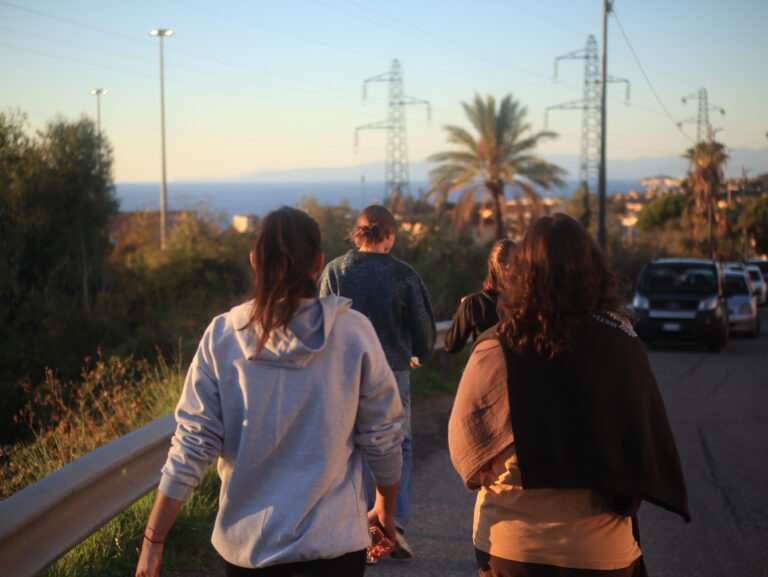
The preservation of cultural heritage is more than safeguarding old buildings or artifacts. It is about sustaining the traditions, knowledge, and collective memory that shape communities. The Team for Healthy Life 2 – T4HL2 ESC Team project, organised by Associazione Joint, demonstrates how young volunteers can actively engage in this process, using practical activities and intercultural collaboration to protect and transmit heritage while fostering social inclusion and community cohesion.
Preservation Activities and Methodologies
The T4HL2 project involved 4 host organisations (Ostello Monte Barro, Fattoria L’Arca, Cooperativa One, and Farfalle nella Testa) each offering unique ways for volunteers to experience and protect cultural heritage.
- At Ostello Monte Barro, volunteers contributed to biodiversity and environmental conservation, learning how natural heritage connects to local identity.
- Fattoria L’Arca offered hands-on agricultural experiences, from olive harvesting to traditional cooking, highlighting how daily rural practices preserve intangible heritage.
- Cooperativa One focused on urban cultural heritage through hostel management, journalism workshops, and engagement with community spaces, demonstrating how heritage encompasses social relationships and civic values.
- Finally, at Farfalle nella Testa, scientific and environmental heritage was at the center, with interactive lessons on invertebrates, guided visits, ceramics workshops with refugee youth, and intercultural dinners, all emphasising experiential learning and cultural exchange.
Methodologies included weekly reflection groups, Italian language classes, and active participation in community workshops and local events. Volunteers acted as role models, encouraged sustainability and inclusion, and experienced heritage as a living, evolving practice. Activities were hands-on, often in rural or historically rich locations, making learning immersive and directly connected to the local context. Culinary, craft, and outdoor workshops allowed volunteers to engage all senses while fostering teamwork, creativity, and respect for local traditions.
As part of the project, a comprehensive handbook on the preservation of cultural heritage was produced and is freely available for download, providing practical guidance and insights for organisations and volunteers.
Conclusion
Through T4HL2, cultural heritage preservation becomes a dynamic, participatory process that strengthens community bonds and empowers young people, particularly those with fewer opportunities. By combining practical experiences, non-formal learning, and intercultural dialogue, volunteers not only preserve physical and intangible heritage but also create meaningful social impact, demonstrating that heritage is both a shared responsibility and a source of collective identity.