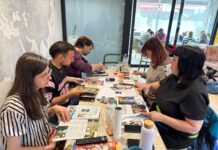
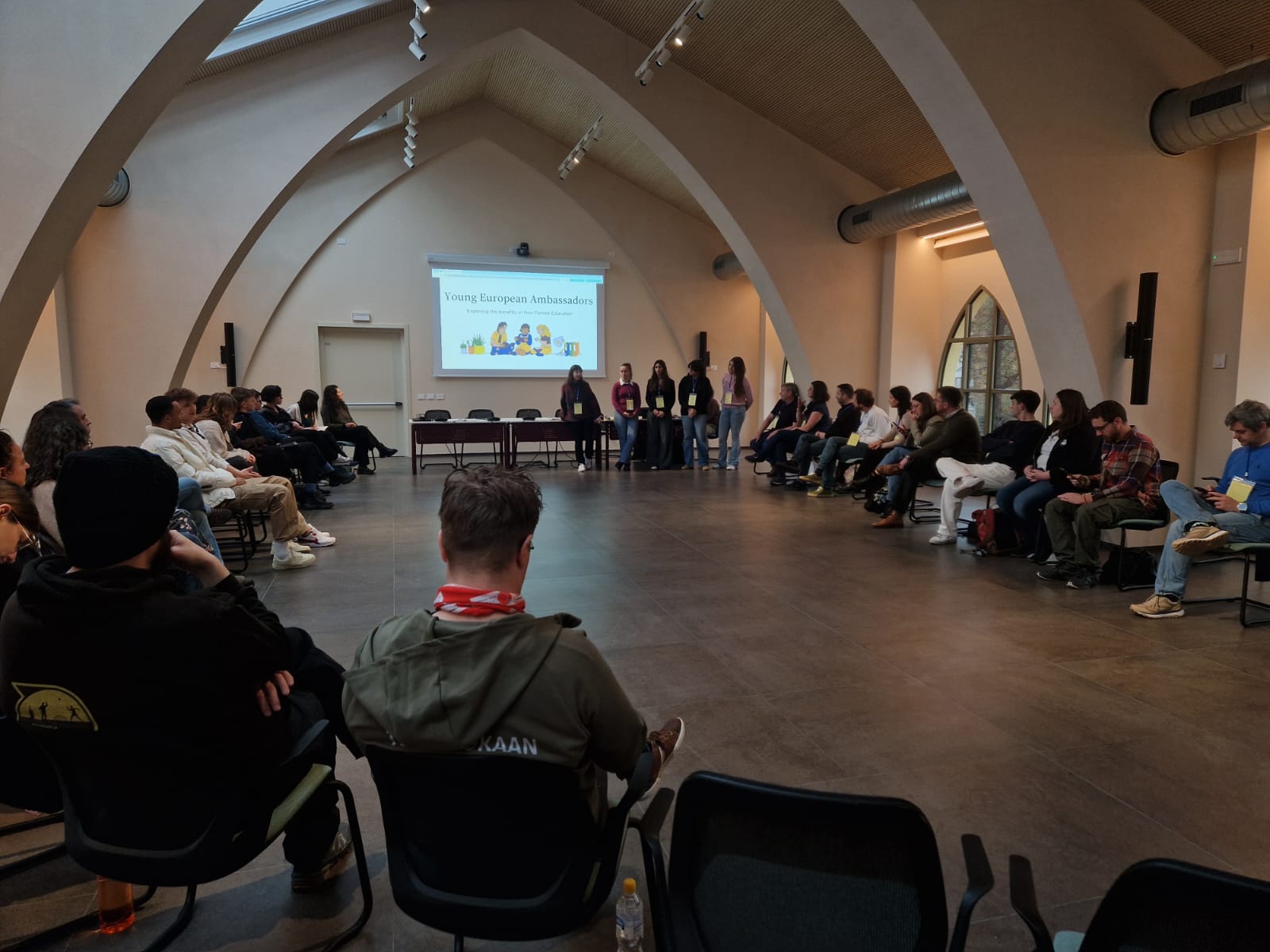
On November 21, Associazione Joint had the pleasure of hosting the international conference “Erasmus+ Mobility and Non-formal Education for Inclusion and Youth Empowerment” at Officina Badoni in Milan. It was an engaging and dynamic event that brought together organisations, educators, young people, and policymakers from across Europe, with the aim of exploring how Erasmus+ and non-formal education can become increasingly accessible and transformative tools.
The day, held entirely in English, featured a rich exchange of perspectives, best practices, and concrete ideas on how to make international mobility more inclusive, especially for young people facing vulnerable situations.
During the networking session, two key themes were explored in depth:
-
The integration of the Erasmus+ Programme into local empowerment pathways, particularly as an opportunity to reduce social, economic, and cultural barriers.
-
The importance of non-formal education both within and beyond the school system, starting from a proposal developed directly by a group of young people involved in Erasmus+ experiences and active in their local communities.
The conference also provided a valuable opportunity to build new connections, strengthen existing collaborations, and bring forward concrete proposals to be developed within the European educational and youth community.
 The Petition: bringing non-formal education into Italian schools
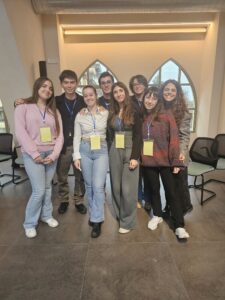
During the conference, a petition was presented calling for the structured integration of non-formal education into the Italian school system. The proposal was developed by a group of 10 young participants in the Young European Ambassadors project, and is the result of months of work, meetings, reflections, and research activities.
Why is non-formal education essential?
The petition highlights how non-formal education:
- promotes active participation, collaboration, creativity, and communication;
- supports the development of soft skills, increasingly essential in adult life and the job market;
- complements, without replacing, traditional teaching, making education more engaging and inclusive;
- fosters the inclusion of students with diverse needs and learning styles;
- responds to data showing that participation in non-formal education in Italy is well below the European average, confirming the need for structural intervention.
The proposal: minimum standards for all schools
The petition calls on relevant authorities to introduce concrete measures, including:
- at least 4 annual modules of non-formal education activities integrated into the school curriculum;
- the creation of student advisory groups to propose relevant and current topics;
- an annual community moment to strengthen school cohesion;
- a focus on transversal skills development (communication, non-authoritarian leadership, problem solving, empathy);
- structured systems for monitoring, sharing, and recognizing acquired competencies.
The goal is clear: to make non-formal education a recognised, stable, and valued component of the Italian education system.
Young people as agents of change
One of the most significant aspects of the petition is that it was developed directly by a group of young people with experience in Erasmus+ programmes. They analysed the context, developed proposals, and chose to turn their engagement into concrete political action.
It stands as a powerful example of how international mobility and non-formal learning can foster awareness, participation, and active citizenship.