Project Reference: 2024-3-RO01-KA152-YOU-000289534
Status: Completed
Duration: January 2025 – February 2026
EU Grant: €48,129
Programme: Erasmus+
Action Type: Mobility of Young People
Countries Involved: Romania, Italy, Croatia, Portugal, Spain, Denmark, Türkiye
Project Background
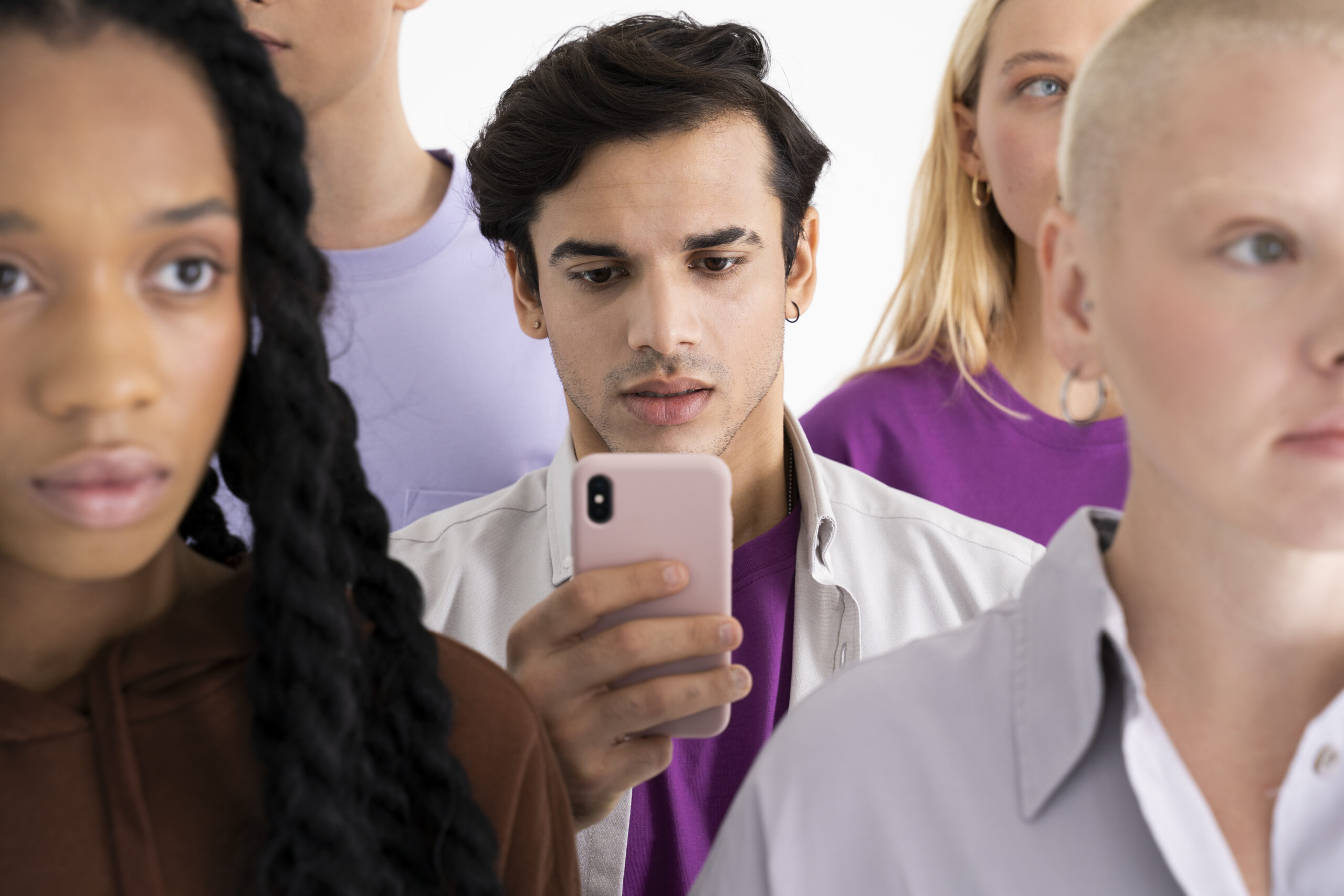
The Browse Your Way Safely project was created to help young people understand the growing problem of fake news and online misinformation. Social media has become one of the main sources of information, but it also spreads misleading content that can affect opinions, elections, and mental well-being.
Before the project started, the partner organisations carried out an online survey with 250 young people. The results showed that many participants felt unsure about identifying reliable information and wanted practical tools to improve their media literacy.
Project Objectives
The project aimed to develop the digital skills of young people and help them recognise fake news, verify online information, and use social media more responsibly.
Another important goal was to raise awareness about the risks of misinformation and encourage international cooperation. Participants also worked together to create educational materials that could be shared with local communities across Europe.
Participants and International Cooperation
The youth exchange brought together 48 participants, including 40 young people, 8 group leaders, and 2 facilitators from seven European countries. The international group allowed participants to exchange experiences and compare how misinformation affects different societies.
Working in multicultural teams helped participants improve communication skills, strengthen intercultural understanding, and build lasting international friendships.
Project Implementation
The main activity took place in Vatra Dornei, Romania, from 9 to 18 September 2025. During eight activity days, participants took part in interactive workshops, discussions, role-playing exercises, and community activities.
The programme included team-building games, debates, theatre sessions, practical fact-checking exercises, and creative workshops. Participants also analysed real examples of manipulated news and learned how to identify unreliable sources using practical verification methods.
Practical Learning Activities
Throughout the exchange, participants explored how fake news is created and why it spreads so quickly online. They wrote news stories from different perspectives, compared reliable and misleading information, and discussed the impact of misinformation on society.
The group also met local residents during awareness activities, testing how easily people could recognise fake news. These practical experiences encouraged critical thinking and showed the importance of checking information before sharing it.
Project Results
The project produced several educational resources, including six articles, six short videos, and six creative visual materials prepared by the participants. These resources were shared online and within partner organisations to reach a wider audience.
Participants also developed practical competences in media literacy, fact-checking, responsible communication, and digital safety. They learned how to identify manipulation techniques and became more confident in evaluating online content.
Impact on Participants and Communities
The exchange had a positive impact on both the participants and the local community. Young people returned home with stronger digital skills and a better understanding of how to protect themselves from misinformation.
The international experience also increased participants’ confidence, strengthened their sense of European citizenship, and encouraged them to share their new knowledge with friends, schools, youth organisations, and local communities.
Long-Term Impact and Conclusion
Browse Your Way Safely demonstrated that media literacy is an essential skill for today’s digital world. Through international cooperation and non-formal education, the project helped young people become more responsible online citizens and active promoters of reliable information.
By combining practical learning, intercultural dialogue, and community engagement, the project contributed to creating a more informed, critical, and digitally resilient generation across Europe.