Project Information
Project Reference: 2024-3-DE04-KA152-YOU-000273857
Status: Completed
Duration: January 2025 – December 2025
EU Grant: €110,120
Programme: Erasmus+
Action Type: Mobility of Young People
Countries Involved: Germany, Armenia, Greece, Italy, Spain, North Macedonia, Lebanon, Czech Republic, Poland, Ukraine
Project Background
The Building a Sustainable Future project was created to support young people in understanding and responding to global challenges such as climate change, social inequality, and cultural divisions. In a world affected by growing tensions and misinformation, the project aimed to create a safe space where young people could develop communication skills, cooperation, and critical thinking.
The project followed the vision of education as a tool for peace, sustainability, and intercultural understanding. It encouraged participants to see diversity as a strength and to work together to create solutions for common challenges.
Project Objectives
The main objective of the project was to empower young people to become active citizens and future leaders in their communities. Participants were encouraged to explore sustainability topics, discuss different perspectives, and develop practical solutions through teamwork and dialogue.
The project also aimed to strengthen participants’ understanding of democracy, peaceful cooperation, and European values. It focused on transforming eco-anxiety and uncertainty into motivation for positive action and community involvement.
Participants and Inclusion
The project brought together 44 young people aged 15–18 from different European and neighbouring countries, including Germany, Ukraine, Armenia, Greece, Italy, Spain, Poland, North Macedonia, and Lebanon.
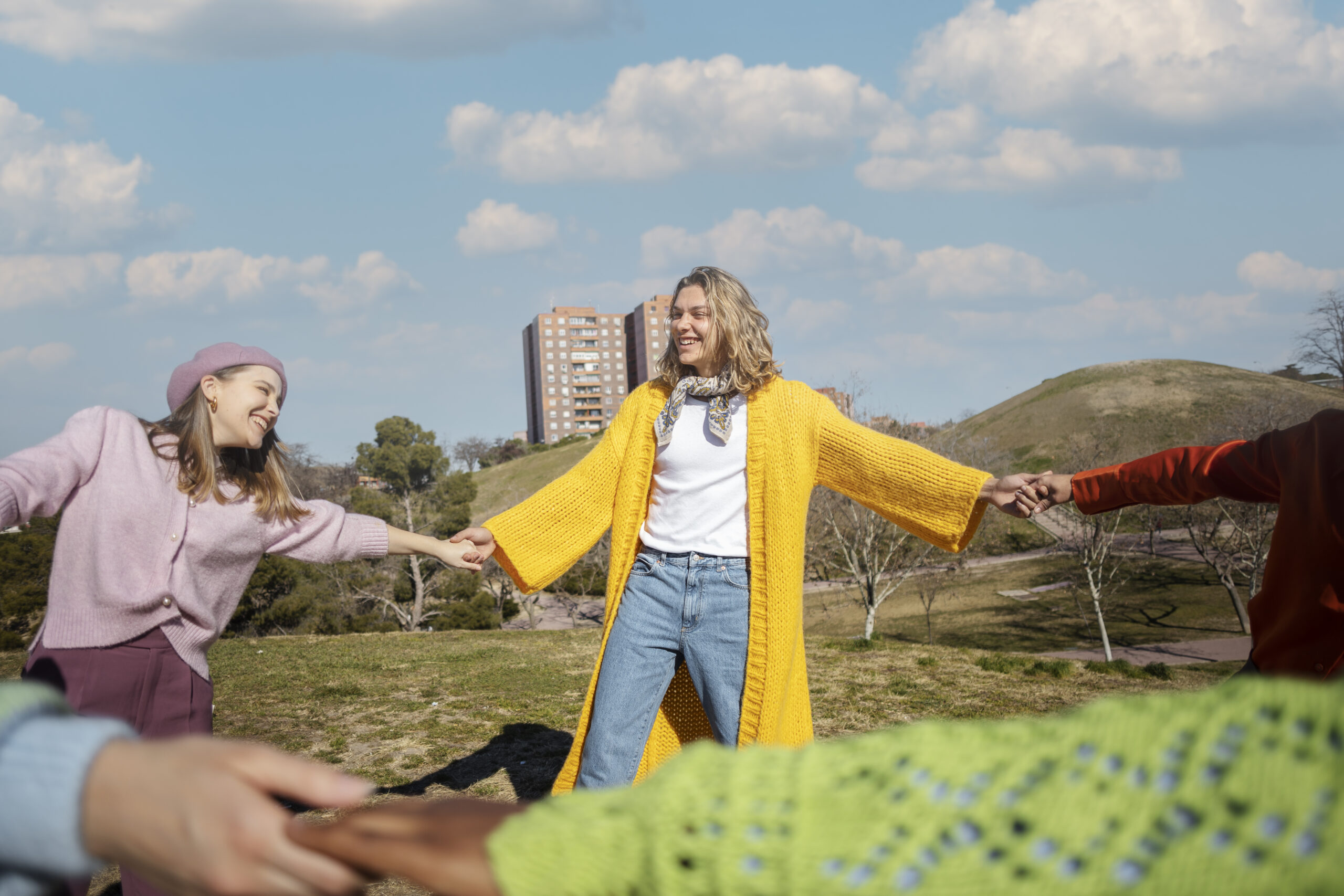
The group was created to represent different cultures, languages, and social backgrounds. Participants from both urban and rural areas took part, including young people from minority groups and LGBTQAI+ communities. This diversity encouraged meaningful discussions and helped participants understand different experiences and perspectives.
Project Implementation
The main activity was a three-week UWC Short Course titled Building a Sustainable Future. The programme was based on non-formal and peer-to-peer learning methods, allowing young people to actively participate in creating and leading educational activities.
The course included around 100 activities, such as interactive workshops, discussions on global issues, World Café sessions, project-based learning, and educational visits. Participants explored topics including renewable energy, sustainable cities, food production, and social responsibility.
Learning Activities and Methods
A key element of the project was learning through experience and cooperation. Participants worked together on local sustainability challenges and developed ideas for future community projects.
The programme also included visits to sustainable urban areas, renewable energy sites, and local initiatives. Through cultural events, reflection sessions, and teamwork activities, young people improved their communication skills and developed stronger intercultural connections.
Key Results and Achievements
The project created significant personal and educational outcomes for participants. According to feedback, 93.3% of participants increased their awareness of sustainability issues. Many participants also reported improved confidence, intercultural skills, and a stronger motivation to take action.
For many young people, the project was their first international experience. It helped them build connections across borders and develop a wider understanding of global challenges and possible solutions.
Impact on Organisations and Communities
The project strengthened cooperation between partner organisations and improved their experience in international youth work, non-formal education, and inclusive learning methods.
The project also created a positive local impact through cooperation with sustainable businesses and community organisations. The activities connected international youth with local initiatives and demonstrated how young people can contribute to sustainable development.
Long-Term Impact
The project continued beyond the main activity through a Fellowship phase, where participants could develop their own sustainability initiatives in their communities. These projects reached more than 1,200 additional young people and extended the influence of the programme.
Many participants returned home as active community members, sharing their knowledge and encouraging others to participate in sustainability and social projects. The project helped create a network of young leaders committed to building a greener, more peaceful, and inclusive future.
Conclusion
Building a Sustainable Future demonstrated the power of youth education, international cooperation, and dialogue in addressing global challenges. By bringing together young people from diverse backgrounds, the project encouraged empathy, creativity, and responsible citizenship.
Through shared learning and practical action, participants gained the skills and confidence needed to become agents of change in their communities and contribute to a more sustainable Europe.