Project Information:
Project Reference: 2025-1-EE01-KA152-YOU-000300335
Status: Completed
Duration: June 1, 2025 – March 31, 2026
EU Grant: 41,105 EUR
Programme: Erasmus+
Action Type: Mobility of Young People (Youth Exchange)
Countries Involved: Estonia, Türkiye, Czechia, Slovakia, Poland, Georgia
Background
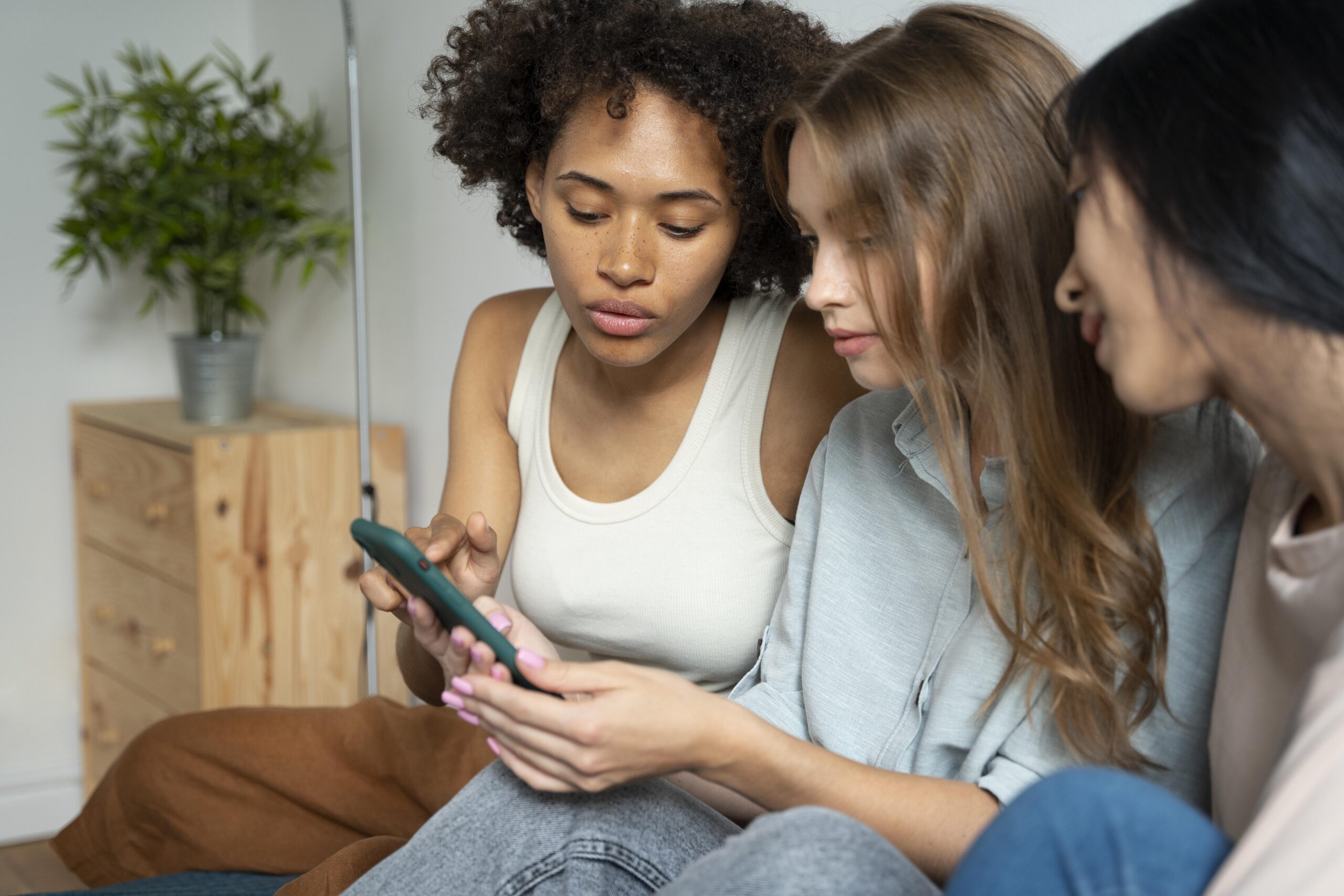
In recent years, the growing use of social media and digital technologies has created new challenges for young people. Excessive screen time can affect mental health, relationships, and emotional well-being. The SociMental project was created to help young people better understand these challenges and develop healthier digital habits. The project focused on building awareness of the connection between digital life and mental health while encouraging young people to reflect on their own online behaviour.
Objectives
The main goal of the project was to empower young people to improve their mental well-being and develop responsible digital habits. The project aimed to create a safe and supportive space where participants could share experiences and learn practical strategies for managing screen time and online stress. Another important objective was to promote intercultural dialogue and cooperation among young people from different countries, helping them develop empathy, tolerance, and a stronger sense of European identity.
Implementation
The project brought together 39 participants from six countries aged between 13 and 23. The programme took place over ten days and included a wide range of interactive activities using non-formal learning methods. Workshops, discussions, role-playing exercises, and group debates helped participants explore how digital technologies influence their emotions, relationships, and daily routines. A psychologist also led sessions that helped participants better understand digital stress and develop healthy coping strategies.
Key Activities
Participants took part in many engaging activities designed to promote reflection and well-being. These included team-building games, creative group tasks, and discussions based on real-life situations related to online behaviour. One of the highlights of the programme was a day focused on nature, yoga, and meditation, where participants disconnected from digital devices and practised mindfulness and journaling. Cultural evenings and a city tour also helped participants share traditions, learn about different cultures, and build strong international friendships.
Results
An important outcome of the project was the creation of the Digital Well-Being Handbook, developed by mixed international teams. The handbook includes practical advice on healthy screen time, digital detox, mindfulness, and online safety. Participants also created social media content, including videos and photo campaigns, to share their experiences and raise awareness about mental health and Erasmus+ opportunities.
Impact
The project had a positive impact on both participants and partner organisations. Young people gained a better understanding of how digital habits influence their mental health and learned practical techniques for managing stress and screen time. They also developed communication, teamwork, and intercultural skills. After returning home, many participants shared their experiences in schools and youth groups, helping to spread awareness about digital well-being and healthy online behaviour.